Transits – A Predictve Astrology Technique
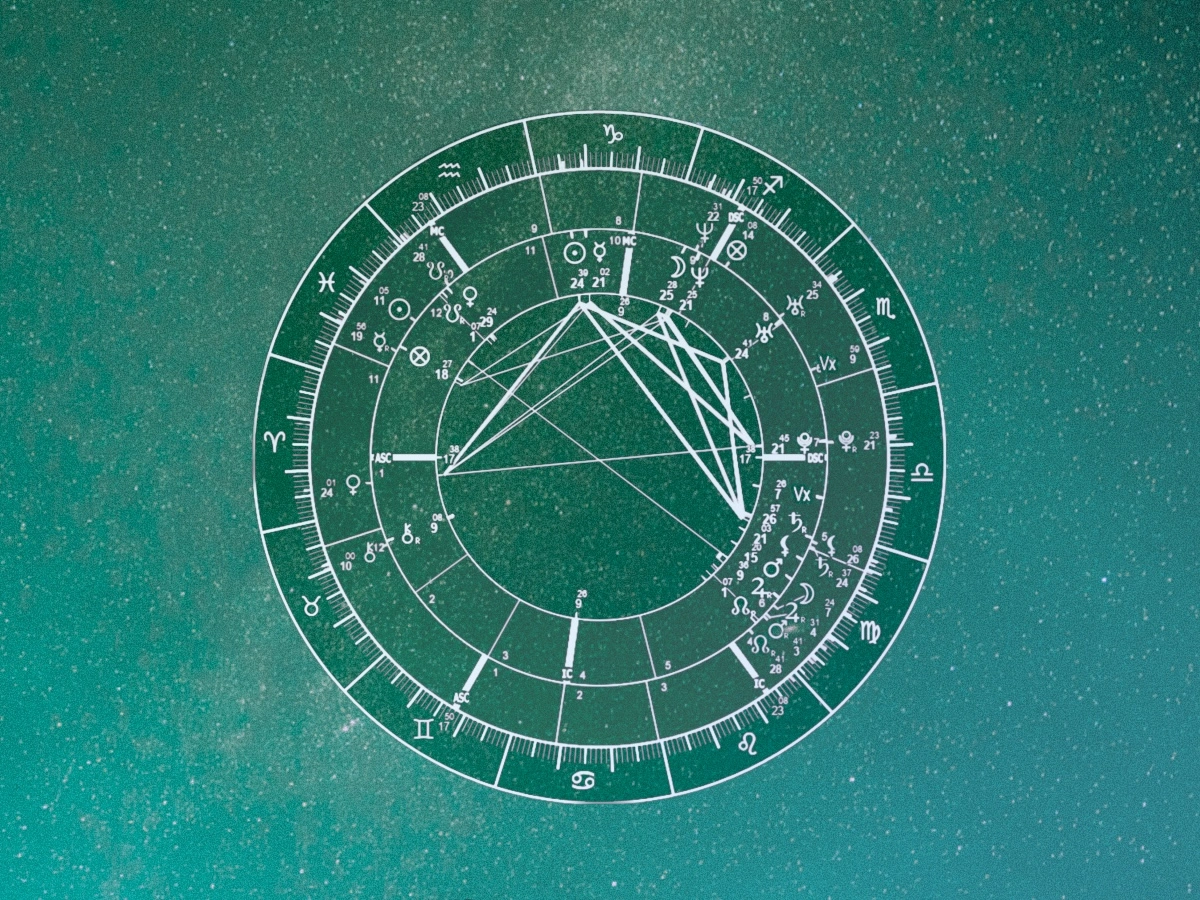
Transits and Transit Charts are central to predictive astrology. They are the most commonly used method to make astrological predictions and date back to ancient times.
Transits are essentially the movement of the planets in the sky at any given date. The planet’s transiting position can either be analyzed in relation to each other, or against planets in another astrology chart. The planets and the type of connections they make, or aspects involved (such as conjunct, square, trine, etc.), are used to make predictions about a specific date or time period. Transits are used to generate both personal horoscopes when analyzed alongside a natal chart and generalized horoscopes (not based on an individual’s chart, but may be based on zodiac sign). They are also used in mundane astrology to make generalized predictions about events that may happen on Earth, predicting potential prosperous time periods, geopolitical events, and natural disasters.
Learn more about different predictive techniques in western astrology
Transits to Natal
When making personalized predictions, transits are, in effect, the aspects made between the position of the planets and personal points in a birth chart (also known as a natal chart). The transit planets are dynamic, changing with time as they move about their orbits, however the planets in a birth chart are fixed in their positions since a birth chart is a snapshot of the sky at the moment of birth. To avoid confusion, pre-fixes are used to describe the different planets’ “transit” and “natal”, so the phrase “transit Venus square natal sun” translates to the position of Venus at this particular date is making a square aspect (90 degrees) with the position the Sun was at when this person was born.
As the planets move at different speeds, some transits can last only a short time (the Moon and Mercury) and others can last years (the outer planets – Uranus, Neptune and Pluto). Because of this, some transits are rare, such as “Transit Pluto opposite natal Pluto” which some people may never experience and others are so common they happen twice a month “Transit Moon sextile natal Midheaven”. The combination of transiting plants and the angles they make to the natal planets are then considered in combination to create a prediction for a given time period.
- For daily horoscopes, the transiting Moon, Mercury are the main focus as they change day to day.
- For weekly horoscopes, transiting Venus and Mars are the main focus as they change week to week.
- For monthly horoscopes, Venus, Mars, Jupiter and Saturn are the main focus, as they describe the weeks and the overall themes of the month.
For any predictive horoscopes all planets and points are considered as they become “exact” or “within orb”. For example when transit Saturn is exactly conjunct natal Mercury, the transit planet and natal planet are exactly both in the same zodiac sign, at the same degrees as each other (and visually seen close to one another in the sky). When Saturn is within 2 degrees of natal Mercury in the same sign it may be considered within orb and can therefore be included in a weekly horoscope prediction (the exact number of degrees of orb will differ by astrologer and by use case).
In addition to the angles made between transit planets and natal planets, the sign the planets are in, in combination with the natal house the planet is moving through, is also interpreted for prediction.
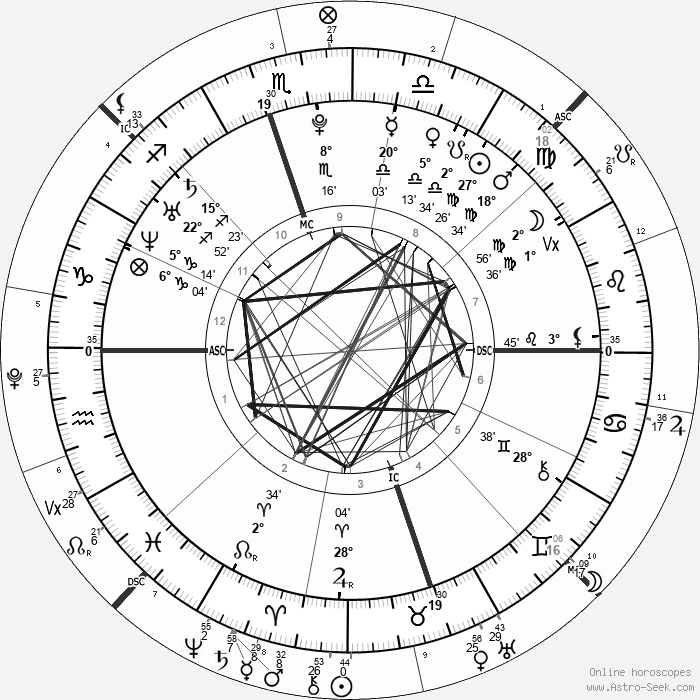
In practice, a bi-wheel is used with the natal chart occupying the inner wheel and setting the zodiac positions, while the transit planets are drawn on an outer wheel. This allows for easy visual analysis of transits to natal planets.
Transits for General Predictions
Most horoscopes published online don’t tend to be personalized. In this case, transiting planets are analyzed for the connections (or aspects) they make against other transiting planets and are interpreted based solely on this and the zodiac signs they are in. This works much in the same way as Transits to natal work, but the terminology differs as there’s no need to differentiate between the transit planets and birth chart planets. Some examples of general transit terminology: “Mercury joins Venus in Pisces”, “Sun squares Jupiter”, “Uranus moves into Gemini”, “Mercury retrograde in Taurus”. Essentially, these type of predictions give a general feel or vibe for a given time period (positive, difficult, or neutral) which may or may not effect people personally.
Some of these predictive horoscopes are more specific as they are done for each zodiac sign. In this version, transit charts are interpreted based on whole sign houses. The transiting planets are interpreted alongside the houses they are in, which is different for each zodiac sign. Unfortunately, a lot of people reading these sign-based horoscopes might be reading the incorrect one. Since these are personalized based on astrological houses, and the houses of a chart are determined by the rising sign, not the sun sign, they should be reading their rising (or ascendant) sign. But since most people only know their sun sign, they are likely reading an inaccurate prediction for themselves.
Other ways transits are used in predictive astrology
Transits are also used in mundane astrology, and can either be analyzed by comparing transit planets to each other, or can be analyzed alongside a city’s or nation’s “birth chart” to predict significant time periods of prosperous or challenging times and events.
Transits are also considered in other personalized prediction techniques, such as secondary progressions, solar arcs, and solar return charts. They are used similarly to transits to natal, primarily as additional datapoints, to refine predictions, and help with timing. When transits are used for these charts, astrologers use a tri-wheel, with the natal chart on the inner wheel, the other type of chart in the middle wheel, and transits layering on top of this on the outer wheel.